
/bx_user-circle.svg)

FTL Freight Shipping - Canada, U.S. & Mexico
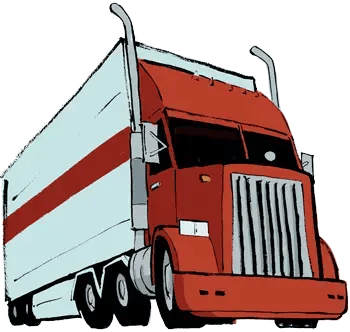
Got something big to ship? We’ve Got the Trucks
Freightzy’s full truckload services give you a dedicated truck for your freight - no sharing, no terminal stops, no delays from other shippers’ cargo. Your goods move directly from pickup to delivery on your timeline.
We source FTL capacity from a vetted network of carriers spanning Canada, the United States, and Mexico, continuously monitoring performance, insurance, and safety compliance. Whether it’s palletized goods, oversized equipment, temperature-sensitive products, or high-value shipments, you get competitive rates and real-time visibility through your Freightzy portal.
How It Works:
1. Get an FTL freight quote - Enter your shipment details for a competitive truckload rate.
2. Pick your service level - Standard, expedited, or specialized equipment.
3. Book and track in real time - Keep tabs on your shipment from pickup to delivery.
You can read more about how FTL shipping works on our Complete FTL Freight Guide.
When Full Truckload Makes Sense
FTL is the right choice when your freight fills or nearly fills a 53-foot trailer - typically 10 or more pallets or 10,000 lbs and above. It’s also the better option when transit time is critical and your shipment can’t afford the terminal stops and hub transfers that come with LTL.
High-value, fragile, or hazardous freight that shouldn’t be cross-docked with other shipments benefits from FTL’s dedicated handling. The same goes for oversized or non-standard freight that doesn’t fit LTL size parameters.
For shipments that fall between LTL and a full truckload, ask us about partial truckload (PTL). You get dedicated handling and fewer touchpoints without paying for empty trailer space. Not sure which mode fits? See our comparison: LTL vs FTL: differences, costs, and when to choose each.
How Much Does FTL Shipping Cost? Full Truckload Rates Explained (2026)
Equipment Types Available
Freightzy sources the right trailer type for your freight. The most common FTL equipment includes:
Dry Van - the standard enclosed trailer. Suitable for most palletized, boxed, or packaged freight. Protects against weather, road debris, and handling during transit. The workhorse of North American trucking.
Flatbed - an open trailer for oversized, heavy, or irregularly shaped freight. Common for construction materials, structural steel, machinery, and lumber. Allows crane and forklift loading from the sides and top.
Reefer (Refrigerated) - a temperature-controlled trailer for perishable food, pharmaceuticals, cosmetics, and freeze-sensitive products. Available in frozen (−0°F / −18°C), chilled (~35°F / 2°C), and protect-from-freeze (~55°F / 13°C) temperature bands.
Step Deck / Lowboy - a trailer with a lower deck height for tall or heavy freight that exceeds standard trailer height limits. Used for heavy equipment, machinery, and vehicles.
Not sure which equipment type fits your load? Contact our team with your freight details and we’ll match you with the right trailer and carrier.
FTL Coverage: Canada, United States, and Mexico
Freightzy sources full truckload capacity from vetted carriers across all three CUSMA countries. Common lanes include:
Intra-Canada: Toronto–Vancouver, Calgary–Montreal, Winnipeg–Toronto, Edmonton–Halifax, and regional moves within Ontario, Quebec, Alberta, and B.C.
Cross-border: Toronto–Chicago, Vancouver–Los Angeles, Montreal–New York, Calgary–Dallas, and other major Canada–U.S. corridors.
U.S. domestic and Mexico: Coordinated through our carrier network for shippers who need North American coverage from a single broker.
For specialized, over-dimensional, or permit-required freight, our team sources equipment and routing specific to your load requirements.
Helpful Resources:
How to Track Your Shipment (Easy 2-Step Guide)
How to Print a Bill of Lading (BOL) or Shipping Label
LTL vs FTL: Differences, Costs & When to Choose Each
Shipping Freight to Canada: Costs, Customs & How to Avoid Delays